


How Brondell Is Connecting Healthy Home Innovation, Water Wellness, and Sustainability Through Everyday Habits
Conversations around healthy living have increasingly expanded beyond nutrition and fitness into the spaces people interact with every day. Water quality, household sustainability, and personal hygiene are becoming more visible parts of that discussion as consumers pay closer attention to what flows through their homes and how daily habits influence long-term wellness.
Recent findings show that PFAS, commonly known as “forever chemicals,” were detected in 98.8% of more than 10,500 blood samples analyzed in a U.S. study, reinforcing growing public concern surrounding long-term exposure to contaminants linked to water systems, consumer products, and household environments.
Within that environment, Brondell has positioned itself around products focused on water wellness and sustainable household practices. The company develops bidets, filtration systems, shower products, and bathroom-focused wellness technology designed for both residential and commercial environments. Geoff Dunlop, Director of Marketing at Brondell, explains that growing awareness around hygiene and sustainability has changed how many consumers think about water inside the home.
“People are becoming more aware that water impacts nearly every part of their daily routine,” Dunlop says. “It affects how people clean, bathe, hydrate, and care for their families, so consumers are starting to pay closer attention to what healthy living actually looks like inside the home.”
A significant portion of Brondell’s focus remains centered on bidets and the broader environmental conversation surrounding toilet paper consumption. The United States leads the world in per capita toilet paper use, with Americans consuming an average of 141 rolls annually. According to the company, that level of consumption has contributed to growing conversations around deforestation, manufacturing resources, and household waste as sustainability becomes a larger factor in consumer decision-making.
Dunlop notes that washing with water has become increasingly associated with both hygiene and resource awareness. He explains that Brondell’s bidet products are designed to support consumers looking for alternatives that can reduce reliance on disposable paper products while also improving comfort, hygiene, and cleanliness within the bathroom. Research comparing bidet use and toilet paper consumption has also highlighted the environmental impact tied to paper production, with estimates showing that roughly one million trees are cut down globally every day to produce toilet paper.
That sustainability perspective also extends into the company’s environmental partnerships. Through its participation in 1% for the Planet, Brondell contributes to initiatives connected to reforestation, habitat restoration, and environmental renewal. According to Dunlop, the company’s Brondell Forest initiative in East Tanzania was developed to support long-term tree planting efforts tied to Earth Day campaigns.
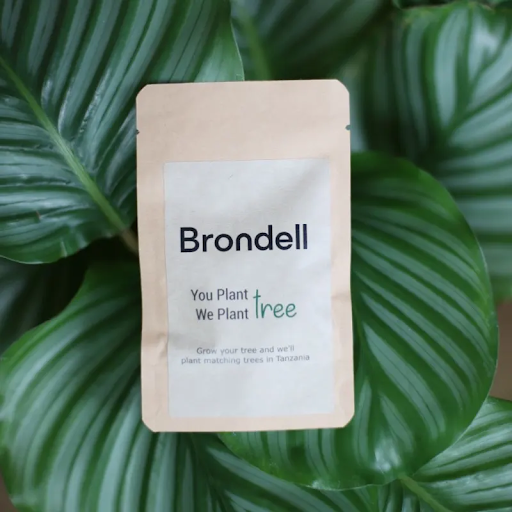
“We wanted our environmental work to reflect something tangible and long-term,” Dunlop says. “The partnerships matter because they connect everyday consumer choices with larger environmental restoration efforts taking place around the world.”
The company has also partnered with Seatrees on coastal restoration projects involving kelp forests and mangrove ecosystems. Dunlop explains that those initiatives align with Brondell’s broader sustainability philosophy, particularly as conversations around water conservation continue expanding throughout drought-affected regions in North America.
Water efficiency has also become part of Brondell’s approach to shower and filtration products through the recent acquisition of Nebia. Dunlop says the company has continued investing in nozzle technology and filtration systems intended to support water conservation while still maintaining performance. According to him, growing public awareness around contaminants such as PFAS, microplastics, and aging infrastructure has contributed to stronger consumer interest in household filtration systems.
“There is much greater awareness around what may exist in household water systems today,” Dunlop says. “Consumers are asking more questions about filtration, contaminants, and what wellness means beyond traditional health products.”
According to Dunlop, sustainability considerations also influence Brondell’s manufacturing and packaging decisions. “We have continued looking at how our products are manufactured and packaged through a sustainability lens,” he says. “That includes incorporating recycled plastics, lighter materials, and packaging choices that can help reduce environmental impact during transportation and distribution.”
Brondell’s growth strategy continues focusing on both residential consumers and commercial environments, where water-conscious products are becoming part of larger wellness discussions. Dunlop explains that schools, office buildings, hospitality environments, and other shared public spaces are increasingly participating in broader conversations around sustainability, hygiene, and water conservation.
Looking ahead, Dunlop says the company plans to continue expanding within home wellness and sustainable bathroom innovation. Recent product development has included smart toilet systems alongside non-electric bidet toilet seats designed to broaden accessibility for consumers exploring water-based hygiene products for the first time.
“The future of healthy homes will continue revolving around wellness, sustainability, and peace of mind,” Dunlop says. “Consumers want products that support daily life in a way that feels healthier, more responsible, and more connected to the world around them.”
