


Wall Street slides 1% as soaring crude prices fan inflation worries
Published Mon, Mar 9, 2026 · 10:30 PM
[NEW YORK] Wall Street’s main indexes dropped over 1 per cent on Monday (Mar 9), as oil prices soared, exacerbating inflation fears as hostilities in the Middle East entered their tenth day.
Geopolitical tensions deepened after Iran named Mojtaba Khamenei, son of the late Ali Khamenei, as the supreme leader, signalling firm control of hardliners in Tehran.
Crude prices shot up to just under US$120 a barrel but eased as governments, including those part of the Group of Seven (G7) and Saudi Arabia, began discussions to limit the jump in energy costs through increased supply.
The latest developments are likely to fuel stagflation fears, as data last week showed a weakening US jobs market, even as broader economic activity accelerated.
“Higher oil prices are playing into fears that inflation could take off to the upside once again. While the US is unlikely to suffer supply shortages, unlike the UK, Europe and Asian-Pacific regions, it will be hit by higher prices, which are already showing up at the pumps,” said David Morrison, senior market analyst at Trade Nation.
Travel stocks, which were pressured the most last week, were also the hardest hit on Monday.
Navigate Asia in
a new global order
Get the insights delivered to your inbox.
An index tracking S&P 500 passenger airlines dropped over 4 per cent, while cruise stocks such as Carnival Corp lost 7.3 per cent and Royal Caribbean Cruises fell 6.3 per cent.
Big banks, the backbone of any economy, also took a hit with Morgan Stanley down 2.3 per cent and Citigroup falling 3 per cent.
A prolonged period of higher oil prices could weigh on equities this year, Goldman Sachs said, warning that every one percentage point drop in economic growth could cut S&P 500 earnings by as much as 4 per cent.
Energy was the only sector on the S&P 500 with marginal gains, aided by the rally in oil and gas prices.
At 09:44 am ET, the Dow Jones Industrial Average fell 639.86 points, or 1.35 per cent, to 46,861.69, the S&P 500 lost 89.17 points, or 1.32 per cent, to 6,650.85 and the Nasdaq Composite lost 287.75 points, or 1.28 per cent, to 22,099.93.
The interest-rate-sensitive Russell 2000 index dropped 1.8 per cent and was just a whisker away from marking a 10 per cent drop from all-time highs. An index ending 10 per cent lower from its record closing high is commonly referred to as correction territory.
The CBOE Volatility Index, Wall Street’s fear gauge, was at 31.51, its highest since April.
Prices of traditional safe havens such as precious metals also came under pressure as investors rushed to the US dollar. Shares of miners such as Endeavour Silver and Barrick Mining lost over 4 per cent each.
Bucking the trend, some defence companies such as Smith & Wesson and Kratos added about 2 per cent each.
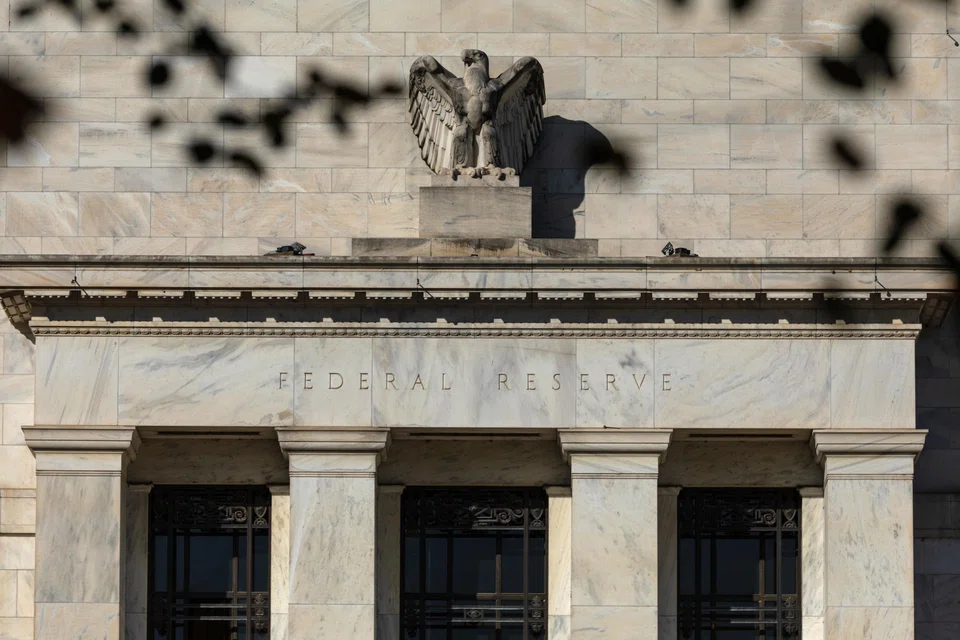
The spike in energy costs complicates the work of global central banks, and for the Federal Reserve inflation triggers are likely to become a greater focus.
Policymakers have signalled they will wait to assess the impact of the energy cost spike on the economy before deciding on the monetary policy path. However, the rise in two-year Treasury yield, which briefly touched its highest since late November, indicate that as investors have already priced in elevated interest rates.
Friday’s soft jobs report boosted expectations for a 25-basis-point interest rate cut in June. However, traders on Monday pushed those odds to potentially September or October, according to LSEG-compiled data.
Last week, the biggest declines were in the blue-chip Dow that logged its steepest weekly drop since early April 2025, while the Russell 2000 posted its biggest weekly loss since early August.
Markets face a data-heavy week, including job opening numbers, personal consumption expenditures – the Fed’s preferred inflation gauge – and a second estimate of quarterly GDP.
Declining issues outnumbered advancers by a 5.59-to-1 ratio on the NYSE and by a 3.37-to-1 ratio on the Nasdaq.
The S&P 500 posted one new 52-week high and seven new lows while the Nasdaq Composite recorded 27 new highs and 101 new lows. REUTERS
Decoding Asia newsletter: your guide to navigating Asia in a new global order. Sign up here to get Decoding Asia newsletter. Delivered to your inbox. Free.
