


Hong Kong regulatory scrutiny puts share sale boom at risk
Regulators say that deal quality has suffered as a result and repeatedly scolded firms
Published Wed, Mar 18, 2026 · 12:39 PM
[HONG KONG] Intensifying regulatory scrutiny is rattling Hong Kong’s financial industry and raising the prospects of a slowdown in booming share sales in Asia’s premier fundraising hub.
In the latest blow to the industry, Beijing is restricting certain types of Chinese companies incorporated overseas from seeking listings in Hong Kong, according to sources familiar with the matter. The move threatening to upend a decades-old playbook that has fuelled billions of US dollars in share sales is just the latest sign that the booming market for initial public offerings (IPOs) is attracting a tougher stance by authorities.
Banks are now mapping out their options to deal with being under a magnifying glass, some slowing activity, according to sources familiar with the matter. Bloomberg News spoke to almost a dozen investment bankers and lawyers, who asked not to be identified, discussing private deliberations.
At stake is an upswing that turned Hong Kong into the world’s second-biggest venue for fundraising last year, just behind the US. The mood in the industry has turned from ebullience to caution. Some of the anxiety even reached the highest levels of global firms, the sources said.
“Each bank will need to be more selective for deals they want to take,” said George Wu, head of Asia-Pacific equity capital markets at the law firm DLA Piper. “It will be less like a volume game.”
In another sign of the industry being under a microscope, authorities last week carried out the biggest raids in nearly a decade. The rare action by regulators and the anti-corruption agency included eight arrests on allegations of insider trading and bribery.
Navigate Asia in
a new global order
Get the insights delivered to your inbox.
The raids grabbed headlines and raised the temperature, even if only a few firms were impacted directly. But the more pressing concern remains the repeated warnings about the quality of applications for IPOs and the workload of senior bankers handling them, in some cases as many as 19 active deals simultaneously.
The Securities and Futures Commission (SFC) warned 13 investment banks, responsible for more than 70 per cent of active listing applications, over shoddy filing practices and demanded strict adherence to standards.
At least seven banks have become more reluctant to take on new mandates, turning down some of them, according to the sources. Others are holding back applications to ensure they do not fall afoul of the regulator’s recommendation of limiting active deals to five per principal banker, one source said. Some sponsors have gone as far as passing on potential deals they deemed “risky” in quality, the sources said.
Global bank executives from the US and Europe were caught by surprise on at least two occasions when Hong Kong authorities raised concerns about listing quality on what had been expected to be routine courtesy calls, according to some of the sources.
On the ground in Hong Kong, the relationship has been intense. Banks had one-on-one meetings with the SFC in recent weeks to follow up on the warnings and discuss their planning, the sources said. At least some of those conversations turned uneasy as bankers were seen as arriving unprepared, they added.
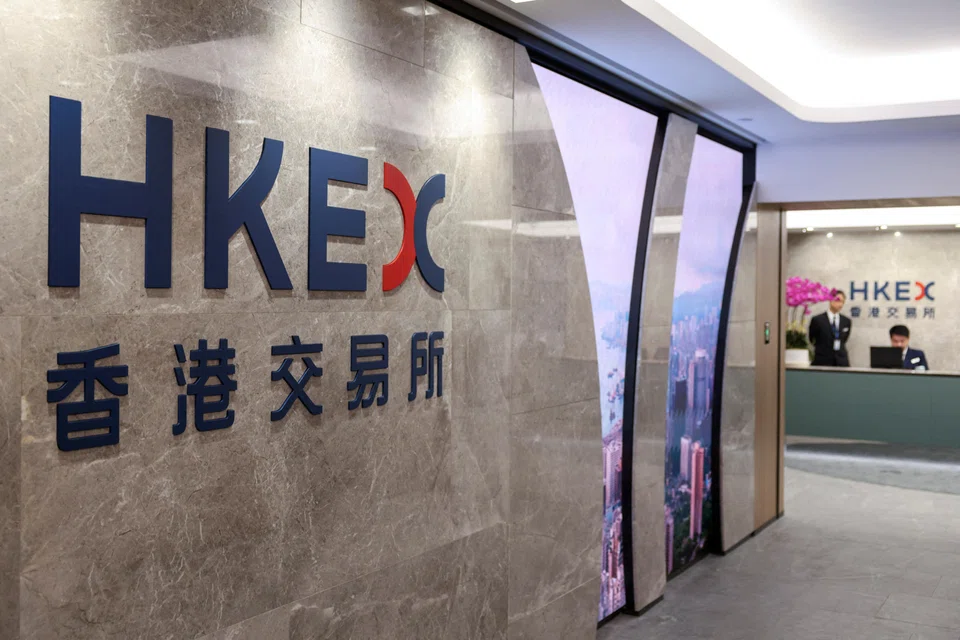
The outcome of those conversations will have a profound impact on the listing pipeline. Hong Kong Exchanges & Clearing (HKEX) has said there are more than 400 companies preparing to list. Some of those deals already looked more challenging as the war in the Middle East triggered weakness in global stock markets, raising a threat to valuations.
To be sure, dealmaking continues, with some high-profile listings in the pipeline, including those of Syngenta Group, which could raise as much as US$10 billion, AS Watson Group, a beauty retailer owned by CK Hutchison Holdings, and Kunlunxin, the artificial-intelligence chip unit of Baidu.
The China Securities Regulatory Commission said in a statement that its move on the so-called red-chip firms was in response to low transparency and higher compliance risk. It reiterated its support for listings in Hong Kong and pointed out that it’s completed five red-chip filings since December.
All taken together, though, there’s now a confluence of factors that amount to a formidable risk to the momentum that carried the Hong Kong IPO market to a four-year high in 2025, which continued with the busiest-ever start of a year in 2026. But the upswing had followed a deals drought that depleted the ranks of bankers qualified to take lead roles in listings.
Regulators said that deal quality has suffered as a result and repeatedly scolded firms. The SFC ramped up its rhetoric with circulars in January that required banks to submit formal oversight improvement plans. The regulator specifically highlighted what it described as “uncooperative behaviour” during its inspections, signalling a low tolerance for firms that fail to fall in line.
Last week, HKEX proposed to broaden a “name-and-shame” regime for sloppy listing applications to include law firms and auditors, stepping up a campaign to improve the quality of IPOs. BLOOMBERG
Decoding Asia newsletter: your guide to navigating Asia in a new global order. Sign up here to get Decoding Asia newsletter. Delivered to your inbox. Free.
