


Berkshire Hathaway resumes share repurchases, CEO Abel buys stock for himself
Abel said adding to his own Berkshire holdings helps align himself with shareholders over the long term
Published Fri, Mar 6, 2026 · 07:54 AM
[NEW YORK] Berkshire Hathaway said on Thursday it has begun repurchasing its own shares following a nearly two-year hiatus, as Greg Abel puts his stamp on the conglomerate after succeeding Warren Buffett as chief executive in January.
The repurchases began on Wednesday and are Berkshire’s first since May 2024.
They may help Berkshire reduce its US$373.3 billion year-end cash stake, which grew because Buffett struggled to find companies and stocks to buy.
Abel also disclosed he bought 21 Berkshire Class A shares on Wednesday for about US$14.6 million, representing the after-tax value of his US$25 million salary, and planned similar purchases in the future. The 63-year-old now owns 249 Class A shares worth about US$187 million.
Speaking on CNBC in New York in his first televised interview as chief executive, Abel said he consulted with Buffett on the buybacks and his own purchases.
Thursday’s disclosures may lessen concerns that Omaha, Nebraska-based Berkshire has been too cautious investing capital, and Abel needed to show a greater personal financial commitment to the approximately US$1.08 trillion conglomerate.
Navigate Asia in
a new global order
Get the insights delivered to your inbox.
Buffett, 95, remains Berkshire’s chairman, and holds nearly all of his fortune in Berkshire stock. Abel received US$870 million in 2022 when he sold his 1 per cent stake in Berkshire Hathaway Energy to Berkshire.
Berkshire’s Class A shares closed 2.7 per cent higher on Thursday, but have significantly lagged the Standard & Poor’s 500 in the 10 months since Buffett unexpectedly announced he was stepping down as chief executive.
The conglomerate’s portfolio also includes Geico car insurance, the BNSF railroad, many industrial and manufacturing businesses, retail brands such as Duracell and Fruit of the Loom, and US$297.8 billion of stocks led by Apple.
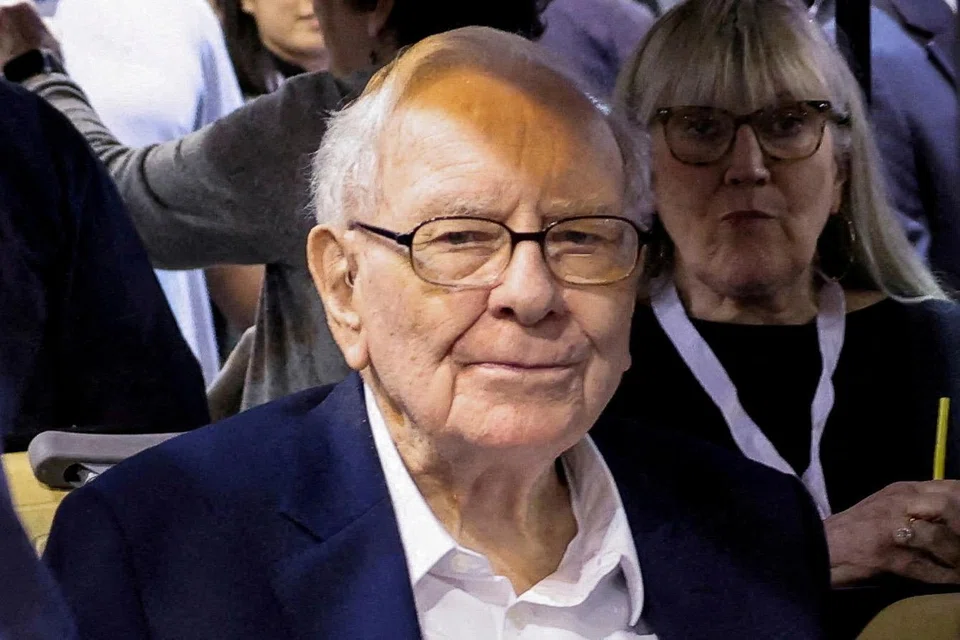
Abel says he’s looking long-term
Abel told CNBC that Berkshire buys back stock when the intrinsic value of its shares exceeds the market price, creating long-term value for shareholders.
He said that “with the transition of leadership,” it was important to disclose that buybacks had resumed. Berkshire normally discloses buybacks quarterly, and Abel said disclosing their resumption is a one-time event.
Cathy Seifert, an analyst at CFRA Research, said the buybacks send a “positive signal” after shares on Monday suffered their biggest one-day decline since Buffett stepped down.
“For that near-term positive to be sustained, we’ll have to see improvement in Berkshire’s underlying fundamentals,” she said.
Abel said adding to his own Berkshire holdings helps align himself with shareholders over the long term. He said he envisions being chief executive for 20 years.
Unlike many large companies, Berkshire does not make equity grants or award stock options.
“The whole idea is: our shareholders are owners, use their after-tax dollars to buy Berkshire, I’ll do the same,” Abel said. “No one else in corporate America does this.”
Berkshire does not pay shareholder dividends, and Abel said it plans none in the near future.
Pacificorp draws line in covering wildfire claims
Abel also addressed mounting litigation against Berkshire’s PacifiCorp utility over Oregon wildfires in September 2020, where victims blame the utility for failing to shut off power lines.
PacifiCorp faces US$50 billion of exposure, on top of cases it has settled, and S&P Global warned on Monday it may downgrade the utility to junk status.
Abel said “any time we’re responsible for something, we’re willing to take absolute responsibility,” but PacifiCorp had to push back against covering damage caused by lightning.
“We’re sorry, absolutely, that these people’s lives have been impacted,” Abel said. “We feel for them. But that’s not the utility’s responsibility to take on those costs and obligations. So that’s where we’re drawing the line.”
Abel also said Berkshire had no immediate plan to sell its 27.5 per cent stake in Kraft Heinz, after the packaged-food company last month paused its plan to split in two.
Many Kraft Heinz brands are struggling as consumer tastes have changed, and Berkshire expressed concern that a breakup wouldn’t fix the problems. Abel called new Kraft Heinz chief executive Steve Cahillane’s plan to get the business back on track “absolutely the right approach.” BLOOMBERG
Decoding Asia newsletter: your guide to navigating Asia in a new global order. Sign up here to get Decoding Asia newsletter. Delivered to your inbox. Free.
