


Bahrain’s Alba shuts 19% of aluminium capacity as Hormuz disruption continues
Published Sun, Mar 15, 2026 · 07:32 PM
[LONDON] Aluminium Bahrain, known as Alba, said on Sunday (Mar 15) that it had initiated a shutdown of three aluminium smelting lines accounting for 19 per cent of its capacity to preserve business continuity amid ongoing disruption in the Strait of Hormuz.
The closures are the latest impact on the Middle East aluminium sector, which accounts for around 9 per cent of global supply, from the US-Israeli war on Iran. Fears of shortages propelled London Metal Exchange aluminium to a nearly four-year high of US$3,546.50 per tonne on Thursday.
Alba, which has a smelting capacity of 1.62 million tonnes of aluminium per year, said in a statement it had initiated a “controlled and safe shutdown” of three reduction lines, numbered 1 to 3.
“This targeted, line-specific action is designed to optimise the utilisation of Alba’s existing raw materials inventory and prioritise operational stability across reduction lines 4, 5 and 6,” added Alba, which describes itself as the “world’s largest aluminium smelter on one site”.
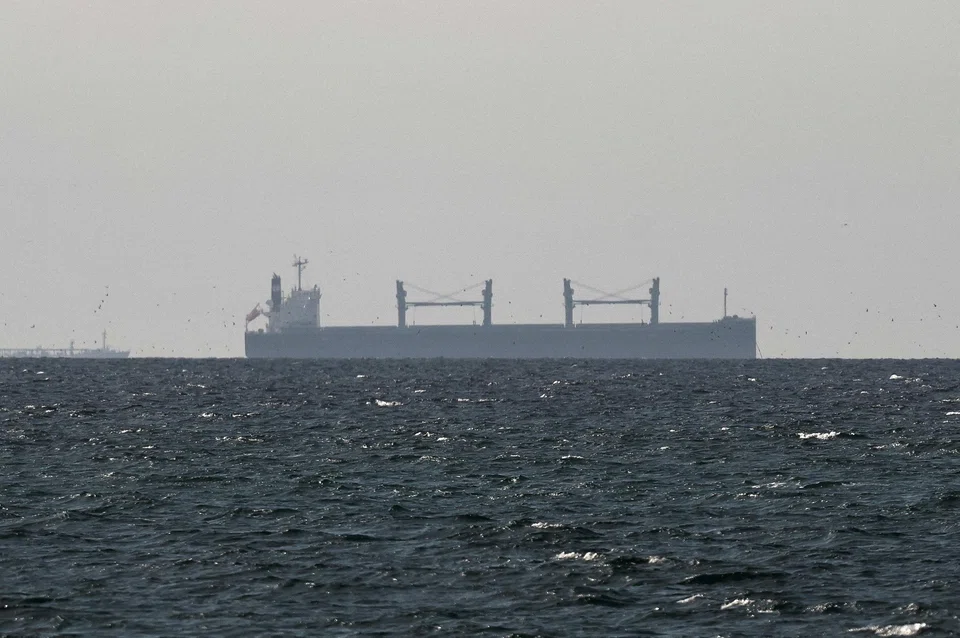
The company declared force majeure on Mar 4, since it was unable to ship metal to customers due to the effective closure of the Strait of Hormuz. The closure has also left Middle East smelters unable to bring in vessels carrying their key raw material, alumina.
Energy supply is another issue for smelters. Qatar’s Qatalum began a shutdown on Mar 3 due to a suspension of its gas supply, but will now operate at 60 per cent capacity.
Alba, meanwhile, said it would use the opportunity to undertake asset care and maintenance on the three shuttered lines, including comprehensive housekeeping and cleaning activities, laying the foundations for a safe restart when conditions improve.
“The company is also working closely with suppliers and customers to manage commitments and mitigate disruption,” it added. REUTERS
Decoding Asia newsletter: your guide to navigating Asia in a new global order. Sign up here to get Decoding Asia newsletter. Delivered to your inbox. Free.
