


US, Iran Exchange Fire In Major Ceasefire Test As Trump Insists Truce Holds
The United States and Iran exchanged fire on Thursday in the most serious challenge yet to their month-old ceasefire, with both sides accusing each other of violating ceasefire even as U.S. President Donald Trump insisted the truce remained intact.
According to Iranian military officials, U.S. forces targeted two ships entering the Strait of Hormuz and carried out strikes on Iranian territory, including areas near Qeshm Island and Bandar Khamir. Tehran said it responded by attacking U.S. naval vessels east of the strait and near the port of Chabahar.
A spokesperson for Iran’s Khatam al-Anbiya Central Headquarters claimed the retaliatory strikes caused “significant damage.” However, U.S. Central Command said none of its assets were hit and described the American response as defensive in nature.
“CENTCOM does not seek escalation but remains positioned and ready to protect American forces,” the command said in a statement.
‘We Blew Them Away’: Trump
Trump maintained his stance and sought to downplay the latest confrontation while speaking to reporters in Washington. “They trifled with us today. We blew them away,” he said during a visit to the Lincoln Memorial reflecting pool. Despite the exchange, he insisted that “the ceasefire was still in effect.”
IBT SG
Iran also signaled that it did not want the situation to spiral further. State broadcaster Press TV later reported that “the situation on Iranian islands and coastal cities by the Strait of Hormuz is back to normal now” after several hours of fighting.
The latest confrontation comes as Tehran reviews a U.S. proposal aimed at ending the conflict while postponing resolution of the most contentious issues, including Iran’s nuclear program and long-term shipping security arrangements in the Strait of Hormuz.
Zero Chance of Iran Obtaining Nukes
Trump said negotiations were continuing despite the clashes. “We’re negotiating with the Iranians,” he said, adding that Tehran had effectively accepted a condition barring it from obtaining nuclear weapons. “There’s zero chance. And they know that, and they’ve agreed to that. Let’s see if they are willing to sign it.”
Asked about the timing of any possible deal, Trump said: “It might not happen, but it could happen any day. I believe they want to deal more than I do.”
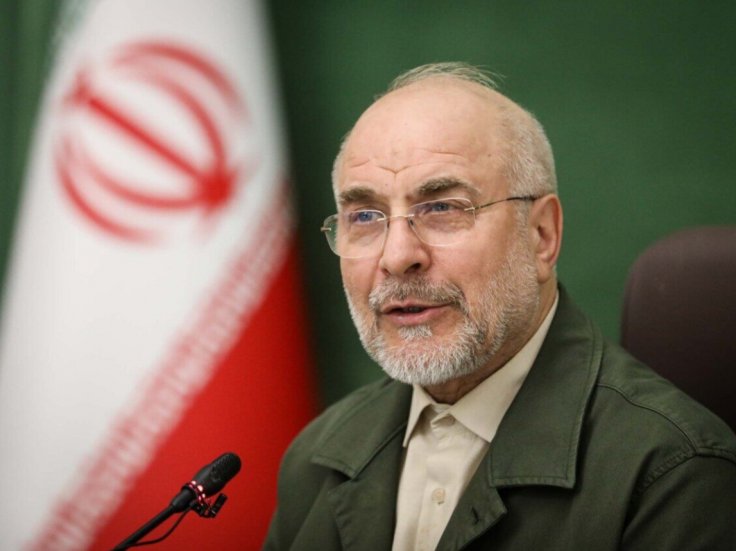
Earlier, Iranian Parliament Speaker Mohammad Bagher Ghalibaf, in a social media post, described President Trump’s “Project Freedom,” an operation to guide merchant vessels out of the Strait of Hormuz, as a failure.
“The security of shipping and energy transit has been jeopardized by the United States and its allies through the violation of the ceasefire and the imposition of a blockade; of course, their evil will diminish,” Mr. Ghalibaf wrote on X.
X
The conflict has continued to disrupt global energy markets. U.S. crude prices rose following the renewed fighting, while gasoline prices in the United States have climbed more than 40% since late February, according to industry data, driven by instability around the Strait of Hormuz, through which roughly one-fifth of the world’s oil and gas supplies normally pass.
Although both sides stopped short of broader escalation, Thursday’s exchange of fire reiterates the fragility of the ceasefire and the persistent risk of renewed conflict in the Strait of Hormuz.
