


RHB downgrades S-Reits to ‘neutral’ as Middle East conflict dims hope for rate cuts
The brokerage recommends investing in Singapore-centric S-Reits to ride out market volatility
[SINGAPORE] RHB downgraded its call on the Singapore real estate investment trust (S-Reit) sector to “neutral” from “overweight” on Thursday (Mar 26), citing “dimmed” rate-cut expectations due to the ongoing Iran war.
Despite Singapore remaining a safe haven with its real estate sector fundamentals intact, investors are “likely to stay on the sidelines” amid a volatile and hawkish inflationary and interest rate outlook, said RHB analyst Vijay Natarajan.
To that end, he recommends that investors stick to defensive, large-cap and Singapore-centric S-Reits to ride out the current market volatility.
‘Resurgent inflation expections’
Natarajan said that global bond yields have risen in the last three weeks due to the market weighing the impact of a prolonged energy supply disruption.
This has shifted expectations on inflation.
For example, swap pricing points to at least one rate hike by the European Central Bank, Bank of England and Bank of Japan; the US Federal Reserve is not expected to have rate cuts until 2027.
Navigate Asia in
a new global order
Get the insights delivered to your inbox.
The “resurgence of inflation expectations” are likely to weigh on S-Reit sector performance, which just started recovering from a sharp interest rate-hike cycle from 2021 to 2024, said Natarajan.
Nevertheless, the S-Reit sector’s improving operational performance and healthy balance sheets are likely to cushion the sector from impacts from the Iran war.
Natarajan noted that the majority of S-Reits have enacted measures to manage utility and cost pressures, and have spread-out debt maturities and declining interest cost outlooks.
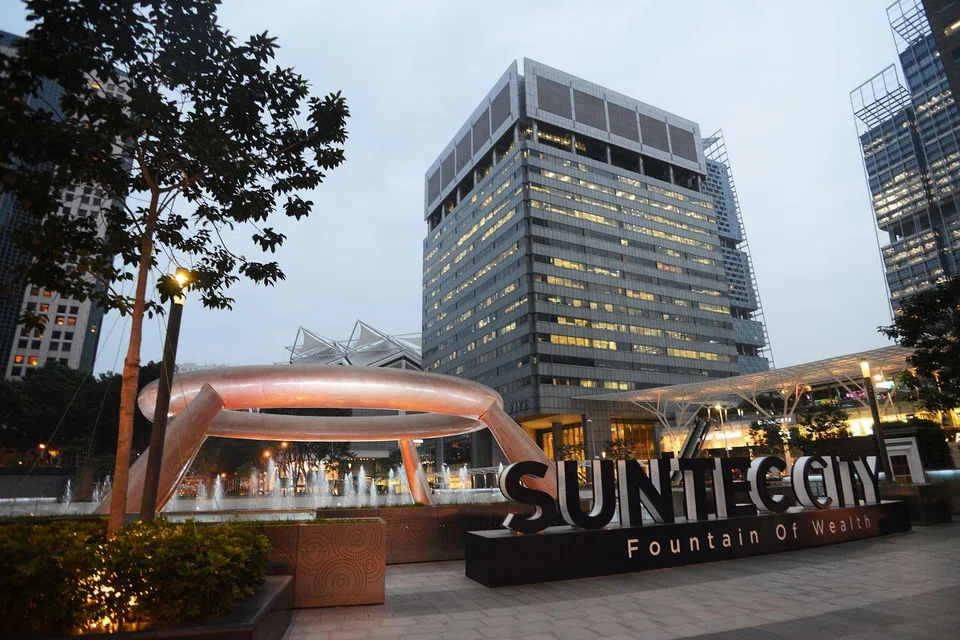
The near-term impact from the Middle East conflict on the S-Reits sector is likely to be indirect. For example, a spike in bond yields due to the conflict could lower yield spreads, reducing the allure of yield instruments, said Natarajan.
Singapore’s safe-haven appeal
The brokerage expects Singapore-centric S-Reits to outperform due to Singapore’s rising safe-haven appeal and the stable Singapore dollar amid a volatile macroeconomic outlook.
Natarajan said that Singapore-centric Reits can benefit from the Republic’s government fiscal policy support cushioning the sector during an economic downturn.
The three-month Singapore overnight rate average (Sora), the key domestic leading interest rate benchmark, is also expected to remain benign due to higher liquidity. Singapore-centric Reits also do not face foreign exchange risks, he added.
Among Singapore-centric Reits, RHB’s most to least-preferred subsectors are office, industrial, retail, hospitality and overseas.
RHB said that Singapore’s office sector continues to be a major outperformer globally, with high occupancy of around 95 per cent and continued steady rent increase.
Industrial S-Reits have also posted stronger operational metrics, in line with higher industrial demand.
Overall, interest costs across the S-Reit sector will remain on a gradual decline, underpinned by fund inflows, potentially from the Middle East to Singapore for its rising safe-haven appeal.
However, the sector may face spillovers from overseas inflationary pressures as major central banks hike up interest rates.
“We could see borrowing costs for foreign currency-denominated debt starting to creep up again, albeit partially mitigated by hedges in place,” Natarajan said.
Nevertheless, as overall sector debt remains relatively stable at around 39 per cent, S-Reits are well-positioned to weather potential near-term headwinds, he added.
Income and income payouts remain intact
S-Reits’ distribution per unit (DPU) – the dividends received by unitholders per unit – is expected to grow 3 per cent over the next three years on account for declining interest costs and steady income growth from positive rent reversions in the last two years.
DPU growth is also forecasted to be underpinned by acquisitions in 2025, with S-Reits reporting “better-than-expected results”, said Natarajan.
Net property income margins will likely be maintained despite expected increases in utility costs due to S-Reits entering contract hedges to lock in lower rates. Industrial Reits have also implemented a “pass-through structure and raised service charges” to offset rising cost pressures.
While data centres do not have a pass-through utility cost structure, they make up a small portion of the sector, overall having little impact on the sector’s operational costs, added Natarajan.
Decoding Asia newsletter: your guide to navigating Asia in a new global order. Sign up here to get Decoding Asia newsletter. Delivered to your inbox. Free.
