


Trump team examines what oil as high as US$200 a barrel would mean
Published Thu, Mar 26, 2026 · 12:40 PM
[WASHINGTON] Trump administration officials are examining what a potential spike in oil prices as high as US$200 a barrel would mean for the economy, according to sources familiar with the matter, a sign senior officials are studying the possible fallout from extreme scenarios for the Iran war.
Modelling of how damaging a bigger jump in oil prices could be to growth prospects is part of regular assessment done during times of strain and is not a prediction, according to the sources, who asked not to be identified, commenting on matters that are not public. The effort is aimed at making sure the administration is prepared for all contingencies, including a prolonged conflict, they said.
Even before the war began, Treasury Secretary Scott Bessent expressed concern that the conflict would boost oil prices and damage economic growth, the sources said. Senior Treasury officials have communicated worries to the White House about swings in oil and petrol prices for several weeks, some of the sources said.
White House spokesperson Kush Desai called that account “false”, saying, “While the administration is always evaluating various pricing scenarios and economic impacts, officials are not examining the possibility of oil reaching US$200 per barrel and Secretary Bessent has not been ‘worried’ about the short-term disruptions from Operation Epic Fury.”
Bessent, he said, has repeatedly “conveyed both his and the administration’s continued confidence in the long-term trajectory of the American economy and global energy markets”.
Oil prices have jumped since the US and Israel attacked Iran on Feb 28, with West Texas Intermediate up about 30 per cent at US$91 a barrel. Brent crude is up almost 40 per cent over the same period, trading around US$102.
Navigate Asia in
a new global order
Get the insights delivered to your inbox.
The White House said on Wednesday (Mar 25) that diplomatic efforts to end the war are still underway despite Iran’s public rejection of US President Donald Trump’s push for talks and threatened further military action if no agreement is reached. On Monday, Trump set a five-day deadline for Iran to negotiate a deal to end the war.
The administration planned for the military campaign to last four to six weeks, the White House has said. Energy Secretary Chris Wright said on Mar 12 that a spike to US$200 a barrel is “unlikely”.
Crude at US$200 would be an enormous shock to the world economy. In inflation-adjusted terms, the price has hit that level only once in the last half-century – in 2008, just before the global financial crisis.
Even at lower levels, Bloomberg Economics forecasts that oil at US$170 per barrel for a few months would push inflation higher for the US and Europe and cut economic growth.
Trump has said that he’s not concerned about rising energy costs, even suggesting they are beneficial to the US, and predicted that oil prices will drop sharply once the war ends.
But the near-shutdown of shipments through the Strait of Hormuz, which normally carries as much as a fifth of global oil and gas exports, has already hit economies around the world.
European Central Bank chief Christine Lagarde said last week that the hostilities have stoked inflationary risks. Peers in Frankfurt, London and Japan are priming for interest rate hikes as soon as next month.
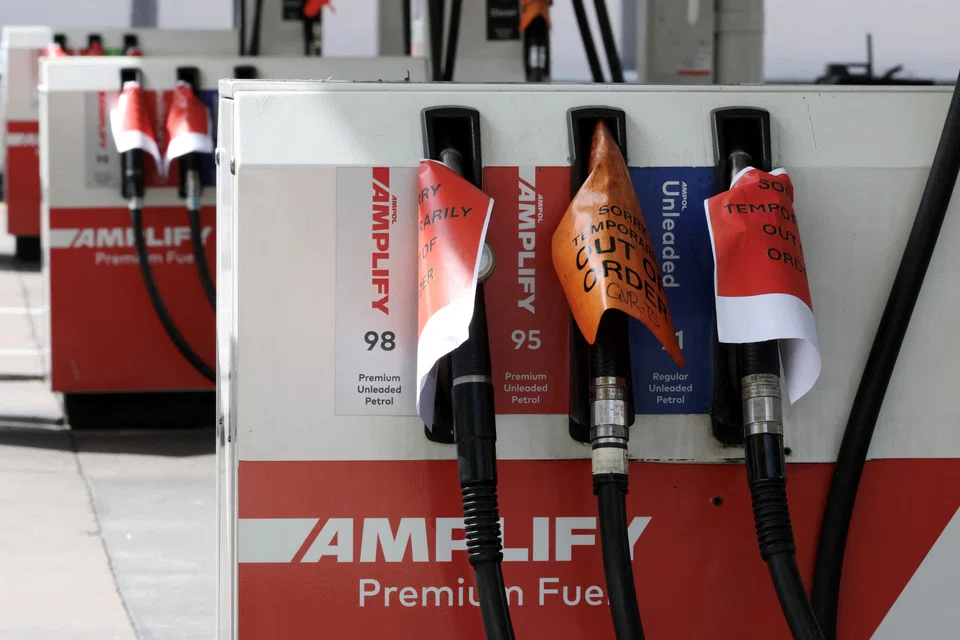
In the US, the most visible impact has been a 30 per cent increase in retail petrol prices, wiping away declines over the last year that Trump had touted as a key economic achievement.
The outlook for US monetary policy is also increasingly muddled as the Federal Reserve watches for the impact of higher oil prices on inflation. Last week, Fed chair Jerome Powell said that it was too soon to gauge the effects of a surge in oil prices on the US economy. BLOOMBERG
Decoding Asia newsletter: your guide to navigating Asia in a new global order. Sign up here to get Decoding Asia newsletter. Delivered to your inbox. Free.
