


Philippines says grounding planes a ‘distinct possibility’
The country relies heavily on imported crude, much of it sourced from the Middle East
Published Wed, Mar 25, 2026 · 09:11 AM
[SINGAPORE] The Philippines said that grounding planes due to a shortage of jet fuel brought on by the war in Iran is a “distinct possibility”, according to President Ferdinand Marcos Jr, as he declared a national energy emergency amid the uncertainty in global energy markets.
“Several countries have already told our airlines they cannot fuel their aircraft, so they have to carry fuel there and back,” Marcos said on Tuesday (Mar 24). “Long haul is going to be a much more serious problem.”
Asked whether, inevitably, planes may have to be grounded, Marcos said: “We are hoping not, but it’s a distinct possibility.”
Airlines in Asia are mapping out contingency plans as the escalating Middle East conflict threatens to trigger the worst oil shock since the 1970s. Because the Philippines relies heavily on imported crude, much of it sourced from the Middle East, it’s more highly exposed than other nations in South-east Asia to energy shortages and spiralling domestic fuel prices.
Marcos declared a national energy emergency that will be in force for a year as the war in Iran disrupts global oil supply. The move will allow the government to address risks to the domestic economy and help shield the public from the Middle East crisis through measures including the release of cash aid and fuel subsidies.
The recent hostilities in the Middle East have led to “severe disruptions in supply chains, and significant volatility and upward pressure on international prices, thereby posing a threat to the country’s energy security,” Marcos said in an executive order signed on Tuesday.
Navigate Asia in
a new global order
Get the insights delivered to your inbox.
The president created an inter-agency committee to ensure stability of domestic energy supply, among others, and said the government will also closely monitor the impact of the crisis on the peso and remittances from overseas workers.
Philippine budget carrier Cebu Air on Monday said that it plans to reduce flights beginning next month because of surging fuel prices caused by the Middle East crisis.
On Wednesday, flag carrier Philippine Airlines said that it has secured enough jet fuel supply to support operations, including long-haul flights, for the foreseeable future. The carrier said that it’s working closely with fuel suppliers, industry partners, and government stakeholders to ensure stable and efficient operations over the longer term.
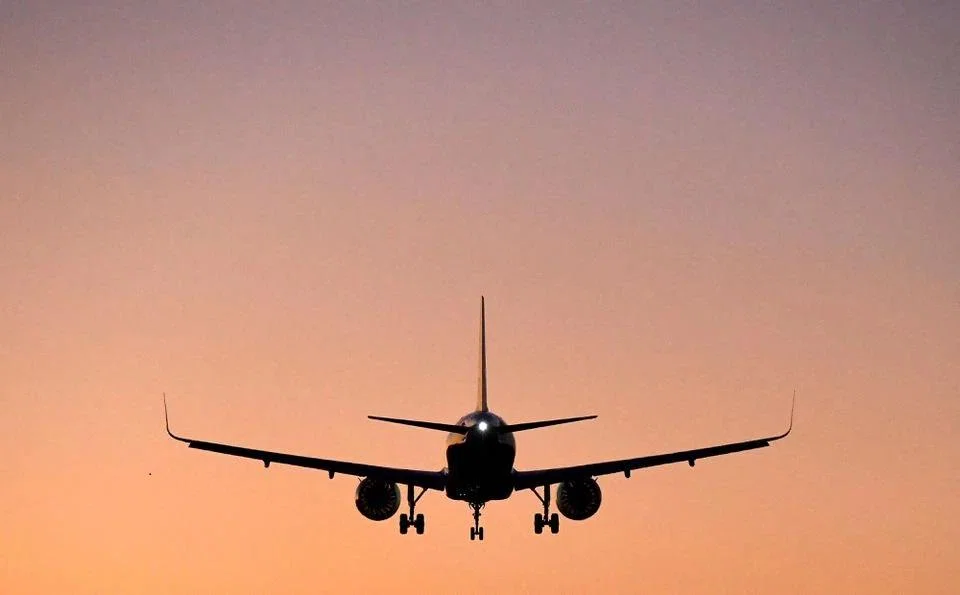
Elsewhere in Asia, Vietnam Airlines is temporarily suspending flights on some domestic routes while VietJet Aviation is reducing the frequency of flights. Another Vietnamese carrier, Bamboo Airways, said that it will try to maintain flights during peak travel periods but has advised services may be fewer than last year if oil prices stay high.
Marcos’s comments appear to be at odds with a briefing Energy Secretary Sharon Garin gave earlier Tuesday. She said that the Department of Energy had on Monday met with airlines and they’d told the agency they have sufficient fuel orders coming in.
“We met them because we wanted to know if they need help in procuring, but they have assured us they are okay,” Garin said. BLOOMBERG
Decoding Asia newsletter: your guide to navigating Asia in a new global order. Sign up here to get Decoding Asia newsletter. Delivered to your inbox. Free.
