


Asia has limited options to diversify from Middle East energy reliance
Published Fri, Mar 6, 2026 · 06:47 PM
[SINGAPORE] Asian energy buyers are scrambling to find alternatives as the Iran war creates unprecedented supply disruption, but the region has limited longer-term options to reduce its heavy reliance on Middle Eastern oil.
The world’s top crude importing region buys 60 per cent of its oil and petrochemical feedstock from the Middle East, where the war that started with Israeli and US attacks on Iran nearly a week ago has pushed up global energy prices and threatens to drive inflation and hurt economic growth.
Unable to receive Middle Eastern crude, refiners from China to South-east Asia are looking for expensive alternatives that will take weeks or months to arrive, while some are cutting output. This week, China and Thailand suspended exports of oil products while Vietnam halted crude exports, which typically go to Australia.
However, alternative sources have drawbacks including distance, refinery configurations, long-term contracts and cost.
For example, oil shipped from West Africa and the Americas takes 1½ to two months to reach China, meaning orders need to be placed three months in advance.
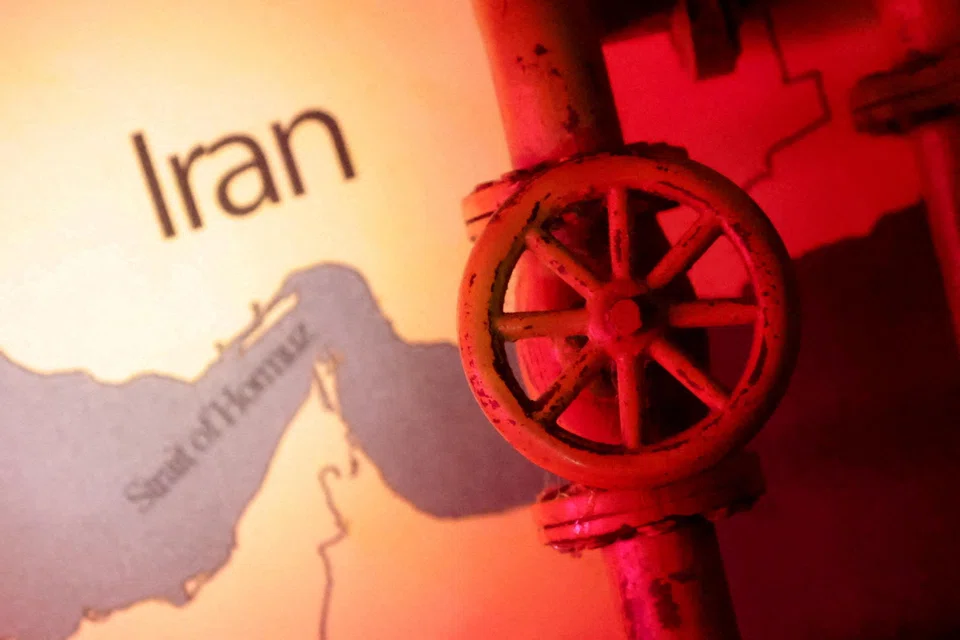
By comparison, it takes roughly 25 days for oil to reach China via the Strait of Hormuz.
Navigate Asia in
a new global order
Get the insights delivered to your inbox.
Also, switching crude grades changes product yields at refineries, which must adjust their operations.
“If you put a new crude into the refinery, you have to change the cutoff points (boundaries separating crude into different products). You have to change petrol blending. There’s a lot of things you need to change. It’s hard work,” said Adi Imsirovic, director of consultancy Surrey Clean Energy.
“This is why diversification has been so poor in a lot of countries,” he said. Energy Aspects analyst Richard Jones said some governments may seek diversification at the margins, but many Asian refiners are tied to Middle East term contracts.
“Simply put, even replacing a modest share of the roughly 16 million barrels a day of Middle Eastern crude that arrives to Asia with Atlantic basin supply is not feasible,” he said.
Big Asian buyers
In Japan, which has sourced 95 per cent of its oil from the Middle East since halting nearly all Russian oil imports after Moscow’s invasion of Ukraine, refiners run ageing plants optimised for Middle Eastern crude.
With petrol demand declining, refiners have been wary of investing in upgrades needed to take on new sources such as Canada’s heavy TMX.
Muyu Xu, senior analyst at Kpler, said Japanese refiners could seek to blend lighter WTI or West African crude with heavier grades from the Americas to approximate the characteristics of Middle Eastern medium-sour.
“The caveat, however, is the logistical complexity and refinery operational risks,” she said.
For the nearer term, Japan can tap a stockpile of roughly 250 days. Top importer China has smaller reserves – roughly 78 days’ worth – but a more diverse supplier profile, sourcing roughly half of its oil from the Middle East including Iran, where it has been the top buyer. China also buys from Russia despite western sanctions, as well as from mainstream producers.
India, with just 25 days of reserves and reliance on the nearby Middle East for 55 per cent of its oil, is scrambling to find alternatives, with Washington this week giving it a one-month reprieve to buy Russian oil after US President Donald Trump pressured it with punitive tariffs to curb its purchases from Moscow.
‘Get some solar panels’
The market for liquefied natural gas is much smaller and tighter. No 2 producer Qatar’s move to halt production due to the war has had a swift impact, with India rationing gas to industrial customers. Michal Meidan, head of China energy research at the Oxford Institute for Energy Studies, said the situation could lead to fuel switching and demand destruction.
“Long term, South Asian countries could look to limit the share of gas in their energy mix and follow China’s model of reliance on coal and renewables,” she said.
Tim Zhang, founder of Singapore-based Edge Research, said Asia could increase the share of non-fossil fuel such as renewables and nuclear in its energy mix or diversify its conventional fuel supply. Surrey’s Imsirovic said a prolonged disruption could prompt governments to reconsider their reliance on Middle East energy entirely.
“It’s going to be like the Asian Currency Crisis or something. Definitely, people will seriously have to rethink,” he said.
“In sunny Asia, get some solar panels and buy an EV. End of story.” REUTERS
Decoding Asia newsletter: your guide to navigating Asia in a new global order. Sign up here to get Decoding Asia newsletter. Delivered to your inbox. Free.
